Insight

The Rise of the Drones

Published on: June 20, 2017
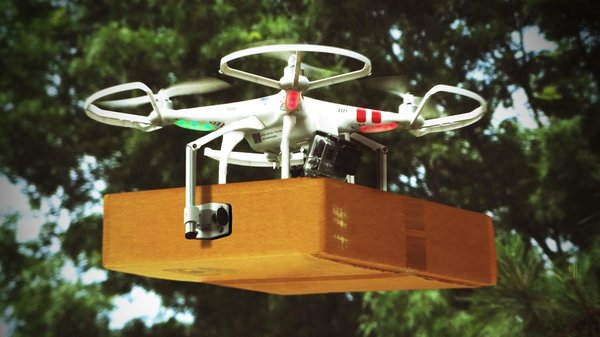
Drones play an increasing role in modern life; all indications are that this role will increase, maybe to disturbing levels. The popularity and availability of drones have sky-rocketed in recent years. As with most new technologies, the development of the law to regulate this technology lags behind. To their credit, the DOT and FAA have been pro-active in developing regulations. This article will address some of these regulations and the expected development of future regulations.

Initially, the FAA prohibited the use of drones in the commercial industry. Gradually, the FAA granted exemptions to certain companies for the commercial use of drones. These exemptions permitted these companies to use drones for:

(i) the movie and video industry;

(ii) real estate photography;

(iii) agricultural monitoring;

(iv) aerial surveying;

(v) delivery of medical supplies in rural areas; and,

(vi) inspecting flare stacks

Applying for exemptions can be costly and the outcome is not guaranteed. However with growing commercial demand, the FAA has gradually loosened its restrictions and granted more exemptions.

The FAA and DOT finalized the first operational rules for routine commercial use of drones which took effect in August 2016. These regulations are available at: http://www.faa.gov/uas/media/Part_107_Summary.pdf. The issuance of these regulations is projected to generate $82 billion for the U.S. economy and create more than 100,000 jobs over the next ten years.

While these regulations are fairly comprehensive, they prohibit the use of drones beyond the line of sight of the operator over unprotected persons on the ground. Further, there are limitations on size and when drones can be flown. Based on these restrictions, plans to use drones for delivery services will likely have to wait. However, the FAA is permitting companies to apply for waivers, available if companies demonstrate that the proposed flight will be conducted safely. Even if a drone flight is permitted, air traffic control authorization is required if the flight is in controlled airspace. Requests for waivers and authorization must be applied for on the FAA’s online portal located at https://www.faa.gov/uas/.

The FAA is trying to balance the benefits of drone use with its mission to protect public safety. The FAA also provides all drone users with recommended privacy guidelines and is set to issue new guidance to local and state governments on drone privacy concerns.

The White House announced that the FAA is currently working on developing regulations to permit the safe and beneficial use of drones over crowds. As part of this development, the FAA launched an Unmanned Aircraft Safety Team and a Drone Advisory Committee.

We expect the FAA to allow a more expansive use of drones in the years to come. Like it or not, the drones are here and are not going away; they are rising.

Posted by:

Disclaimer

Keogh Cox & Wilson, Ltd. provides this blog as a public service for general information only. The materials contained herein may not reflect the most current legal developments or even express the opinion of all or even most of Keogh Cox attorneys. Such material does not constitute legal advice or form any attorney-client relationship. Keogh Cox and all contributing author(s) expressly disclaim all liability to any person with respect to the contents of this Web site and Blog and expect that no reliance will be made upon the information provided.

Continue Reading

Explore legal perspectives on the issues shaping Louisiana's key industries and courtrooms.

Insight

The Rise of the Drones

Drones play an increasing role in modern life; all indications are that this role will increase, maybe to disturbing levels. The popularity and availability of drones have sky-rocketed in recent years. As with most new technologies, the development of the law to regulate this technology lags behind. To their credit, the DOT and FAA have been pro-active in developing regulations. This article will address some of these regulations and the expected development of future regulations.

Initially, the FAA prohibited the use of drones in the commercial industry. Gradually, the FAA granted exemptions to certain companies for the commercial use of drones. These exemptions permitted these companies to use drones for:

(i) the movie and video industry;

(ii) real estate photography;

(iii) agricultural monitoring;

(iv) aerial surveying;

(v) delivery of medical supplies in rural areas; and,

(vi) inspecting flare stacks

Applying for exemptions can be costly and the outcome is not guaranteed. However with growing commercial demand, the FAA has gradually loosened its restrictions and granted more exemptions.

The FAA and DOT finalized the first operational rules for routine commercial use of drones which took effect in August 2016. These regulations are available at: http://www.faa.gov/uas/media/Part_107_Summary.pdf. The issuance of these regulations is projected to generate $82 billion for the U.S. economy and create more than 100,000 jobs over the next ten years.

While these regulations are fairly comprehensive, they prohibit the use of drones beyond the line of sight of the operator over unprotected persons on the ground. Further, there are limitations on size and when drones can be flown. Based on these restrictions, plans to use drones for delivery services will likely have to wait. However, the FAA is permitting companies to apply for waivers, available if companies demonstrate that the proposed flight will be conducted safely. Even if a drone flight is permitted, air traffic control authorization is required if the flight is in controlled airspace. Requests for waivers and authorization must be applied for on the FAA’s online portal located at https://www.faa.gov/uas/.

The FAA is trying to balance the benefits of drone use with its mission to protect public safety. The FAA also provides all drone users with recommended privacy guidelines and is set to issue new guidance to local and state governments on drone privacy concerns.

The White House announced that the FAA is currently working on developing regulations to permit the safe and beneficial use of drones over crowds. As part of this development, the FAA launched an Unmanned Aircraft Safety Team and a Drone Advisory Committee.

We expect the FAA to allow a more expansive use of drones in the years to come. Like it or not, the drones are here and are not going away; they are rising.

Insight

Trees and Neighbors: A Growing Problem

Louisiana is a river delta state filled with fertile land and the refusal of its local fauna to stay within boundaries is a problem. Trees create hazards. They also bring nuisance in all its forms––pine sap drizzled over a new car, an oak branch casting a sun-blocking shadow over the perfect tanning spot, and on and on. If you own the tree, the problem is easy enough to address; but what if the tree belongs to your neighbor? Can you cut your neighbor’s tree?

While the Louisiana Civil Code provides guidance, it does not answer every question. Under the Civil Code, “a landowner has the right to demand that the branches or roots of a neighbor’s trees, bushes, or plants, that extend over or into his property be trimmed at the expense of the neighbor.” La. Civil Code Art. 688. Nevertheless, the right to "demand" that the problem be addressed is not a “license to cut;” and does not permit a landowner to cut without permission. Kahl v. Luster, 110 So.3d 1101 (La. App. 1 Cir. 12/28/12).In the event a neighbor is less than neighborly and refuses to trim back a trespassing branch, a landowner may bring an "injunction" against his neighbor. Such an action was involved in Scott v. Ramos, 399 So.2d 1266 (La. App. 4 Cir. 1981) where the defendant/neighbor's large oak tree extended over the plaintiff's property and deposited leaves and branches onto his roof and into his yard. In defense of the action, the defendant presented evidence that cutting the tree back to the property line would essentially kill the tree. Over these objections, the Louisiana Fourth Circuit Court of Appeal granted plaintiff a permanent injunction which required the defendant neighbor to “keep the tree, its limbs and branches cut” back to the property line. Further, the court ordered that defendant reimburse the plaintiff for the cost of removing leaves and fallen debris once a year.So, should your neighbor’s tree ever present a hazard or impede on the enjoyment of your property, there are means of relief. However, gassing up your chainsaw, without your neighbor’s permission, is not one of them.

Insight

Court Finds Real Estate Agents Are Not Required to Research the Truthfulness of Their Client’s Representations

In Smith v. Grantham, homebuyers sued the sellers for alleged failure to disclose prior flooding of the home. The buyers also sued the sellers’ real estate agent for negligent misrepresentation, arguing the realtor knew or should have known of a prior history of flooding. The plaintiff referenced the previous sellers’ property disclosure documents located in the MLS listing database, which disclosed a prior flooding incident. However, the property disclosure document that the realtor received from her clients denied any prior flooding of the property or structure.

The Court of Appeal affirmed summary judgment in favor of the sellers’ agent, noting that her clients represented in their property disclosure document that the property had never flooded, and she had no actual knowledge contradicting their representation. The Court stated that under La. R.S. 9:3894(B), a real estate agent is relieved of liability for providing false information furnished by her client if she did not have actual knowledge that the information was incorrect. The court held that imposing a higher duty on a real estate agent would improperly “create a situation in which the agent had to independently verify information before conveying it to the buyer.”

Reference:

Smith v. Grantham, 93-0881 (La. App. 1 Cir. 9/4/24), 394 So.3d 316.

No items found.
Property