Insight

Can a Corporation Drive Drunk?: A Look at Employer Liability for Punitive Damages

Published on: July 5, 2016
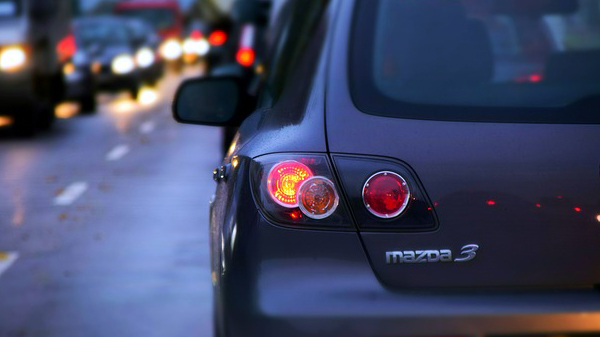
The power to punish is generally the role of the criminal courts. Civil courts concern themselves with making a plaintiff "whole." In fact, it would be legal error for a civil court to impose recovery against a defendant as a form of punishment--with one notable exception. When "punitive damages" are allowed, a civil court may "punish" a defendant.

In Louisiana, punitive damages are only allowed when a statute specifically says they may be awarded. One of these statutes is La. Civil Code article 2315.4, which allows punitive damages when the plaintiff’s injuries were caused “by a defendant whose intoxication while operating a motor vehicle was a cause in fact of the resulting injuries.” Based upon the words used, punitive recovery for drunk driving would appear limited to recovery against the individual who was "operating a motor vehicle." However, what if the driver was intoxicated while “on the clock,” in the "course and scope" of his employment? Can his employer also be liable for punitive damages? Unfortunately, the answer to these questions is unclear and may vary depending upon where the case was filed.

The First and Third Circuits indicate that an employer should not be liable for these damages. In Darby v. Sentry Ins. Auto. Mut. Co., the First Circuit held that an employer could not be liable for punitive damages when its intoxicated employee was at fault for an accident, even when the employer was aware the employee had a history of alcohol abuse. The court reasoned that the principle of strict construction of punitive statutes prevented it from holding anyone other than the driver liable. 2007-0407 (La. App. 1 Cir. 3/23/07), 960 So. 2d 226, writ denied, 2007-0638 (La. 3/28/07), 953 So. 2d 59. Similarly, in Romero v. Clarendon Am. Ins. Co., the Third Circuit ruled that an employer could only be liable for the compensatory damages caused by its employee, to the exclusion of punitive damages. 2010-338 (La. App. 3 Cir. 12/29/10), 54 So. 3d 789, writ denied, 2011-0551 (La. 4/25/11), 62 So. 3d 96. A federal court decision from the Western District of Louisiana also supports this conclusion. See Lankford v. Nat'l Carriers Inc., 2015 WL 518736 (W.D. La. Feb. 6, 2015).

In contrast, the Fourth and Fifth Circuits have found that an employer can be liable for its intoxicated employee’s punitive damages. The Fourth Circuit, offering little commentary, found that an employer could be responsible for damages caused by its employee’s acts, including punitive damages under art. 2315.4. See Curtis v. Rome, 98-0966 (La. App. 4 Cir. 5/5/99), 735 So. 2d 822. Punitive damages were also awarded against an employer in a Fifth Circuit case, Levet v. Calais & Sons, Inc., 751 So.2d 153 (La. Ct. App. 1987). However, in Levet, the employer stipulated to liability and essentially agreed to be responsible for punitive damages.

While the Louisiana Supreme Court has not squarely addressed the issue, language from Berg v. Zummo tends to indicate that the employer may not be liable for drunk-driving punitive damages. In Berg, the Supreme Court examined art. 2315.4 to determine whether a bartender could be liable for providing an intoxicated driver with alcohol prior to the accident. In that context, the Court held that art. 2315.4 did not extend to someone who “contributed to” the intoxication because that Article “reflects the legislature’s intent to penalize only the intoxicated driver.” 2000-1699 (La. 4/25/01), 786 So. 2d 708, 718. However, the Berg Court specifically acknowledged lower court decisions that permitted such liability for employers, reserving its judgment on that issue for another day.

So, if someone asks you whether a corporation can drive drunk, the proper answer may be this: depends on who you ask.

Posted by:

Disclaimer

Keogh Cox & Wilson, Ltd. provides this blog as a public service for general information only. The materials contained herein may not reflect the most current legal developments or even express the opinion of all or even most of Keogh Cox attorneys. Such material does not constitute legal advice or form any attorney-client relationship. Keogh Cox and all contributing author(s) expressly disclaim all liability to any person with respect to the contents of this Web site and Blog and expect that no reliance will be made upon the information provided.
Continue Reading

Explore legal perspectives on the issues shaping Louisiana's key industries and courtrooms.

Insight

Can a Corporation Drive Drunk?: A Look at Employer Liability for Punitive Damages

The power to punish is generally the role of the criminal courts. Civil courts concern themselves with making a plaintiff "whole." In fact, it would be legal error for a civil court to impose recovery against a defendant as a form of punishment--with one notable exception. When "punitive damages" are allowed, a civil court may "punish" a defendant.

In Louisiana, punitive damages are only allowed when a statute specifically says they may be awarded. One of these statutes is La. Civil Code article 2315.4, which allows punitive damages when the plaintiff’s injuries were caused “by a defendant whose intoxication while operating a motor vehicle was a cause in fact of the resulting injuries.” Based upon the words used, punitive recovery for drunk driving would appear limited to recovery against the individual who was "operating a motor vehicle." However, what if the driver was intoxicated while “on the clock,” in the "course and scope" of his employment? Can his employer also be liable for punitive damages? Unfortunately, the answer to these questions is unclear and may vary depending upon where the case was filed.

The First and Third Circuits indicate that an employer should not be liable for these damages. In Darby v. Sentry Ins. Auto. Mut. Co., the First Circuit held that an employer could not be liable for punitive damages when its intoxicated employee was at fault for an accident, even when the employer was aware the employee had a history of alcohol abuse. The court reasoned that the principle of strict construction of punitive statutes prevented it from holding anyone other than the driver liable. 2007-0407 (La. App. 1 Cir. 3/23/07), 960 So. 2d 226, writ denied, 2007-0638 (La. 3/28/07), 953 So. 2d 59. Similarly, in Romero v. Clarendon Am. Ins. Co., the Third Circuit ruled that an employer could only be liable for the compensatory damages caused by its employee, to the exclusion of punitive damages. 2010-338 (La. App. 3 Cir. 12/29/10), 54 So. 3d 789, writ denied, 2011-0551 (La. 4/25/11), 62 So. 3d 96. A federal court decision from the Western District of Louisiana also supports this conclusion. See Lankford v. Nat'l Carriers Inc., 2015 WL 518736 (W.D. La. Feb. 6, 2015).

In contrast, the Fourth and Fifth Circuits have found that an employer can be liable for its intoxicated employee’s punitive damages. The Fourth Circuit, offering little commentary, found that an employer could be responsible for damages caused by its employee’s acts, including punitive damages under art. 2315.4. See Curtis v. Rome, 98-0966 (La. App. 4 Cir. 5/5/99), 735 So. 2d 822. Punitive damages were also awarded against an employer in a Fifth Circuit case, Levet v. Calais & Sons, Inc., 751 So.2d 153 (La. Ct. App. 1987). However, in Levet, the employer stipulated to liability and essentially agreed to be responsible for punitive damages.

While the Louisiana Supreme Court has not squarely addressed the issue, language from Berg v. Zummo tends to indicate that the employer may not be liable for drunk-driving punitive damages. In Berg, the Supreme Court examined art. 2315.4 to determine whether a bartender could be liable for providing an intoxicated driver with alcohol prior to the accident. In that context, the Court held that art. 2315.4 did not extend to someone who “contributed to” the intoxication because that Article “reflects the legislature’s intent to penalize only the intoxicated driver.” 2000-1699 (La. 4/25/01), 786 So. 2d 708, 718. However, the Berg Court specifically acknowledged lower court decisions that permitted such liability for employers, reserving its judgment on that issue for another day.

So, if someone asks you whether a corporation can drive drunk, the proper answer may be this: depends on who you ask.

Insight

Minimal Force of an Impact Matters in Car Accident Litigation

For years, Louisiana plaintiffs attorneys have argued that the force ofimpact in an auto accident is not determinative of their clients’ injuries andshould be afforded little, if any, weight. A recent decision out of theLouisiana First Circuit Court of Appeal does damage to that argument. In Jonesv. Bravata, Jr. and The City of Baton Rouge, 2018 CA 0837 (La. App. 1 Cir.5/9/19), the First Circuit upheld the trial court's jury instruction on “forceof impact” where photographs showed only minor damage and the defendantdescribed the accident as a “bump.”

The accident occurred when a City employee rear-ended the plaintiffs'vehicle. Liability was stipulated and the only question at trial was damages.Mrs. Jones alleged severe neck and back injuries. She began treatment with anorthopedist within a week of the accident and thereafter received five“relatively non-invasive surgical procedures” in lieu of a lumbar fusionsurgery. The jury returned a verdict of $200,000, which included $150,000 inpast medical expenses and $35,000 in future medical expenses, but awardedlittle for general damages. Mrs. Jones appealed the verdict, asserting that thetrial court erred in instructing the jury on force of impact.

The "force of impact" jury instruction in dispute provided:

Whilethe force of a collision may be considered in determining whether a person wasinjured by an accident and the extent of the injuries sustained, it should notbe the only factor to consider in making such a determination. Even though theforce of impact may be slight, it does not preclude an award of damages.However, in determining causation, you may consider the minimal nature of theaccident.

In considering the plaintiff's assignment of error, the First Circuit noted that Mrs. Jones was correct that no witness specifically testified that the accident was too minor to have caused her injuries. However, there was evidence in the record upon which the jury could have reached the conclusion that this was a minimal impact.

Common sense would appear to support a connection between the force of an impact and the injury one could be expected to suffer. The recent Jones decision allows defendants to promote this common sense argument. Where the claimed injuries are disproportionate to the forces involved, this argument can make the difference at trial.

John Grinton is a partner of the firm admitted in state, federal and appellate courts throughout Louisiana. His practice focuses on commercial and construction litigation, representing insurance companies, architects, engineers, contractors and other businesses in all aspects of litigation. His workers’ compensation practice includes representing clients in medical billing disputes, healthcare provider disputes, statutory/borrowing/special employer disputes, and court approved settlements. John has been involved in complex cases involving construction defect claims, breach of contract and negligence actions, insurance coverage issues, lender liability, securities litigation and personal injury matters. He has firsthand experience in jury trials and arbitration's, as well as mediation, appellate briefing and oral argument.

Insight

THE “ATTORNEY CLIENT” PRIVILEGE”: How, When (and Why) Communications between You and Your Attorney are Protected - Part 2

Part 1 of this two-part series explored the basic elements of the attorney-client privilege. Part 2 will discuss some of the restrictions to the privilege.

The privilege applies only to legal matters.

While legal advice is protected, advice that is considered “business advice” may not. Unfortunately, the line between legal and business advice is not always clear. Legal advice requires that the attorney interpret law and apply it to specific facts to do one (or both) of two things: tell the client what to do in the future or tell the client what was done right (or wrong) in the past. Business advice involves discussions about the operations of a client which are independent from legal considerations.

If the communication involves both legal advice and business advice, the general rule is that the legal advice must predominate over the business advice. See, Exxon Mobil Corp. v. Hill, 2013 WL 3293496 (E.D. La. June 28, 2013), vacated and remanded on other grounds by Exxon Mobil Corp. v. Hill (5th Cir. May 6, 2014).

The crime-fraud exception.

The privilege is also subject to the “crime fraud” exception. Communications between an attorney and client regarding either: 1) a plan or intent to commit a crime or fraud; or 2) while the crime or fraud is being committed, are not protected by the attorney-client privilege. Remember, you obtain the services of an attorney to obtain legal advice, not illegal advice. As explained by the court in State v. Menard, 02-1182 (La. App. 3 Cir. 5/7/03), 844 So. 2d 1117, the reasons for the privilege cease to operate when the legal advice refers to future wrongdoing.

Other exceptions.

The privilege also has other limitations, including the fact that it may be waived, intentionally or unintentionally, by the client. As discussed in Part 1 of this blog, the decision to include third-parties in conversations and communications (including emails) between the client and the attorney may waive the privilege. If a client sues an attorney after the relationship has terminated, the privilege is likewise waived, and the attorney can discuss privileged communications to defend himself against that suit. Similarly, if an attorney acted as a notary or witness to a document, the attorney may discuss whether a document is authentic or whether the signors were legally competent to sign. Interestingly, the privilege also does not apply to communications with a deceased client if the communications are relevant to an inheritance dispute.

The attorney client privilege offers broad protection; however, it is important to remember that this protection is not without its limits.

C. Reynolds LeBlanc

Partner
Attorney
Collision